Every culture has its quirks, but the Philippines might just take the crown for some of the wildest, most unforgettable traditions you’ll ever encounter. Some of them will make you smile, others might leave you scratching your head. Either way, they reveal the colour and complexity of Filipino life. This article takes a look at a handful of the most unusual practices that continue to thrive today, showing how history, faith, food and even games of chance have shaped the way Filipinos celebrate life.
Dancing in the Streets at Ati-Atihan
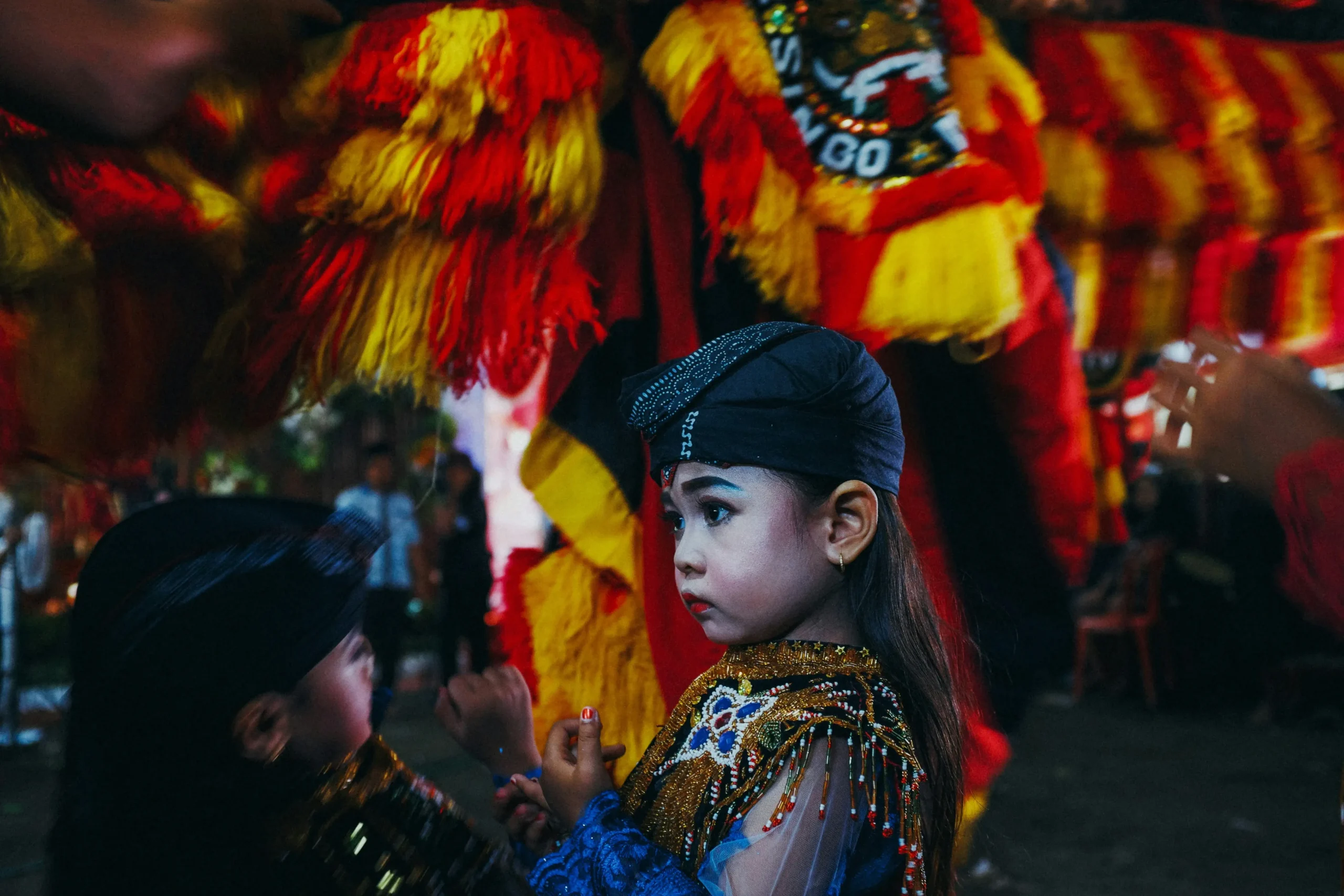
Imagine drums pounding, people covered in black soot and street dancers moving in a frenzy that feels both chaotic and sacred. That’s Ati-Atihan, one of the oldest festivals in the country. It started as a pagan ritual honouring local deities and transformed into a Catholic celebration for the Santo Niño.
Locals paint their faces, wear outlandish costumes and lose themselves in the music. Outsiders are often shocked at the sheer intensity because… well, it’s not a quiet parade, it’s a full-body, no-rest kind of party. Tourists usually say: you don’t watch Ati-Atihan, you survive it.
Eating Balut at Midnight
Balut is one of those foods that divides even Filipinos themselves. For the uninitiated, it’s a fertilised duck egg with a partially developed embryo inside. Eaten warm, with a sprinkle of salt and sometimes vinegar, it’s considered a stamina booster, a late-night snack and a dare all rolled into one.
Foreigners often gag at the idea, but to many locals, it’s comfort food. Street vendors call out “Baluuuut!” in the evenings, and groups of friends gather around to crack shells, sip broth and compare the “quality” of the chick inside. It’s strange, a little shocking, but deeply Filipino.
Cockfighting (Sabong): More Than Just a Game
Few traditions are as controversial yet ingrained as cockfighting, known locally as sabong. Long before Spanish colonisation, it was already part of village life. Roosters are raised, trained and treated with surprising care before being pitted against each other in betting matches.
To outsiders, it can seem brutal. To insiders, it’s tradition, economy and spectacle in one. It draws crowds not just for the fights, but also for the community aspect (neighbours swapping stories, families eating nearby, money changing hands). Even today, sabong remains a cultural anchor, though it faces increasing criticism from animal rights advocates.
Cemeteries as Festival Grounds
If you visit the Philippines during All Saints’ Day or All Souls’ Day, you’ll notice something unusual. Cemeteries are not quiet places of mourning. Instead, they transform into vibrant reunion grounds.
Families bring food, guitars and even tents. Children run between tombstones, while older generations share stories about relatives who passed away decades ago. It’s less about grief and more about continuity. The living and the dead existing side by side in one massive celebration.
Outsiders often find it shocking, but Filipinos will tell you: why be sad when you can celebrate together?
A Culture of Gaming and Gambling
Perhaps one of the less obvious traditions is the Philippines’ long-standing love for games of chance. From neighbourhood card nights playing tong-its or pusoy dos, to fiesta games like sakla (a tarot-like card game played during wakes), gambling has been woven into everyday social life.
It’s not only about money; often the stakes are tiny, or purely symbolic. The point is the bonding, the ritual of trying one’s luck and the shared thrill of uncertainty. This is also why cockfighting and lottery tickets remain popular despite the controversies surrounding them.
As the world goes digital, these habits shift too. Filipinos are increasingly curious about how gambling traditions are moving online. Sites such as SBO.net provide resources and information about this transition, showing how what once happened in backyards or town fiestas now echoes in virtual spaces. It’s another example of old meeting new, culture finding its place in modern life.
Why These Traditions Matter
On paper, these traditions might seem eccentric, maybe even bizarre. But together they paint a picture of a people who are resilient, playful and deeply rooted in community. Whether it’s dancing through exhaustion, eating something that makes tourists squirm, or turning cemeteries into concert grounds, Filipinos show again and again that life (in all its unpredictability) is meant to be embraced.
And maybe that’s the thread tying all these “crazy” traditions together: the refusal to separate joy from struggle, humour from hardship, the sacred from the everyday.
Deep Roots
The Philippines is a country where contrasts collide and somehow make sense. Blackened faces dancing for saints. A duck embryo sold on a street corner. Gambling woven into funeral rites. Families picnicking with their dead. These aren’t just oddities… they’re cultural signatures, reminders that tradition doesn’t always need to be neat or comfortable.
For Filipinos at home and abroad, these practices carry meaning far deeper than the shock they give outsiders. They’re proof of identity, continuity and an unshakable instinct to find celebration in the unexpected.