It’s amazing how easily we can convince ourselves that a small household problem isn’t worth worrying about. A cupboard door that won’t close properly, a squeaky floorboard, or even the occasional drip beneath the kitchen sink can become part of everyday life. After all, if everything still works, how much harm can it really be doing?
Unfortunately, water has a way of turning minor inconveniences into expensive surprises. That innocent-looking drip might not seem particularly urgent, but leaving it unattended could create problems that extend well beyond the plumbing itself.
Why Is Your Sink Dripping in the First Place?
Not every leak has the same explanation, which is partly why guessing at a solution isn’t always effective. Sometimes, the culprit is a loose connection or a worn seal that no longer keeps water where it belongs. In other cases, corrosion, damaged pipes, or problems with the drain assembly may be responsible. The location of the moisture can offer clues, but water doesn’t always appear directly beneath the point where it’s escaping. Unless you are an expert, you may not know which case you are dealing with. You don’t want to make the mistake of thinking you’ve fixed the problem only to find out later you simply disguised the symptoms.
A Small Leak Can Cause More Damage Than You Think
The trouble with leaks beneath sinks is that they’re often hidden. Unless you’re regularly reaching into the cabinet for cleaning supplies, water can quietly accumulate for days or even weeks before anyone notices. Over time, that moisture can damage wooden cabinets, weaken flooring, and encourage mold growth. What could have been a straightforward plumbing repair may eventually require replacing damaged materials, making the situation far more disruptive.
Your Water Bill Might Be Telling You Something
One particularly frustrating aspect of plumbing leaks is that they can cost money long before they cause visible damage. Even a slow, persistent drip can waste a surprising amount of water over several weeks. If your water bill has increased without an obvious explanation, it’s worth checking beneath sinks, around toilets, and near appliances for signs of moisture. Of course, not every unexpected increase indicates a leak, but ruling out plumbing problems is a sensible place to start.
What Should You Do When You Discover a Leak?
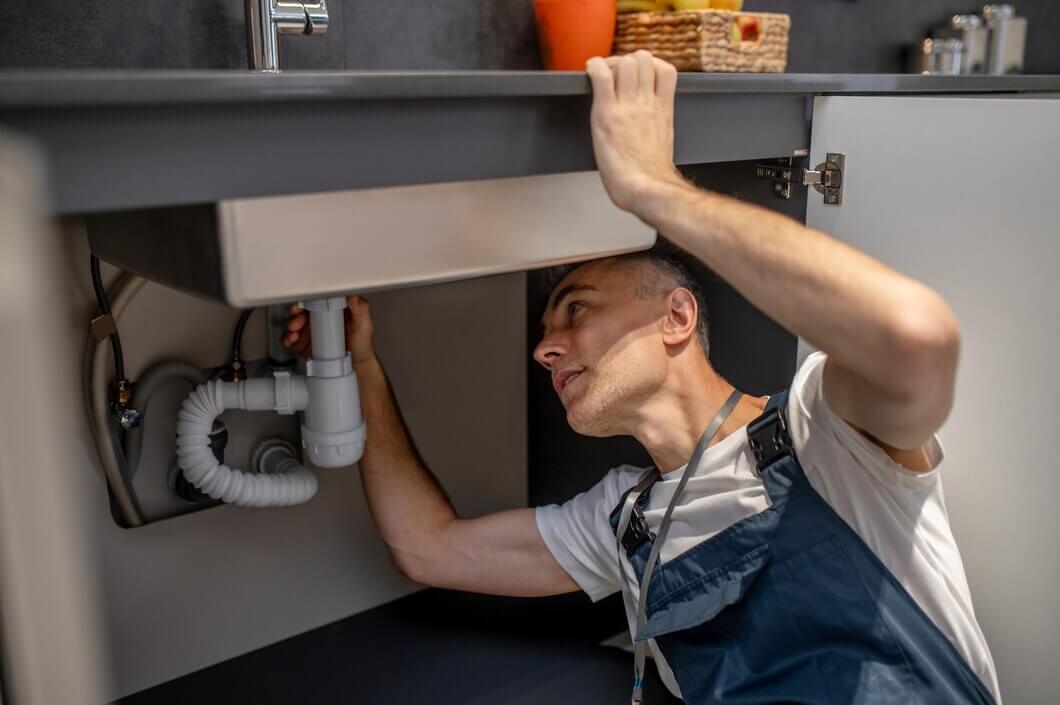
Finding water beneath your sink doesn’t necessarily mean you’re facing a major emergency, but it does deserve prompt attention. Start by placing a container beneath the drip and removing anything that could be damaged by moisture. If the leak continues, turn off the fixture’s water supply using the shutoff valves beneath the sink, if they’re accessible and working properly. Next, call a professional; Meridian plumbing & heating experts can help identify the source and address the problem before it causes further damage.
As you wait for them to arrive, drying the surrounding area can help limit immediate damage, although it won’t resolve the underlying issue. If the source isn’t obvious or the leak continues, don’t worry, as the professional inspection your plumber will do will definitely uncover it.
Don’t Let a Little Drip Become a Big Headache
There’s certainly no need to panic every time you discover a plumbing problem, but ignoring it rarely makes life easier. Water damage can develop quietly, and the longer moisture is allowed to linger, the more complicated repairs may become. Taking action early gives you the best chance of keeping the problem manageable. Sometimes, a quick repair is all that’s needed to protect your cabinets, flooring, and peace of mind. That’s a much better outcome than discovering, several months later, just how expensive one little drip can become.