A disability doesn’t have to stop you from enjoying a social, active, and independent lifestyle. After all, you can still make your own choices, run errands, and perform activities you love.
An independent lifestyle also doesn’t mean completing activities alone, as people can help support your freedom and provide you with more energy for other priorities.
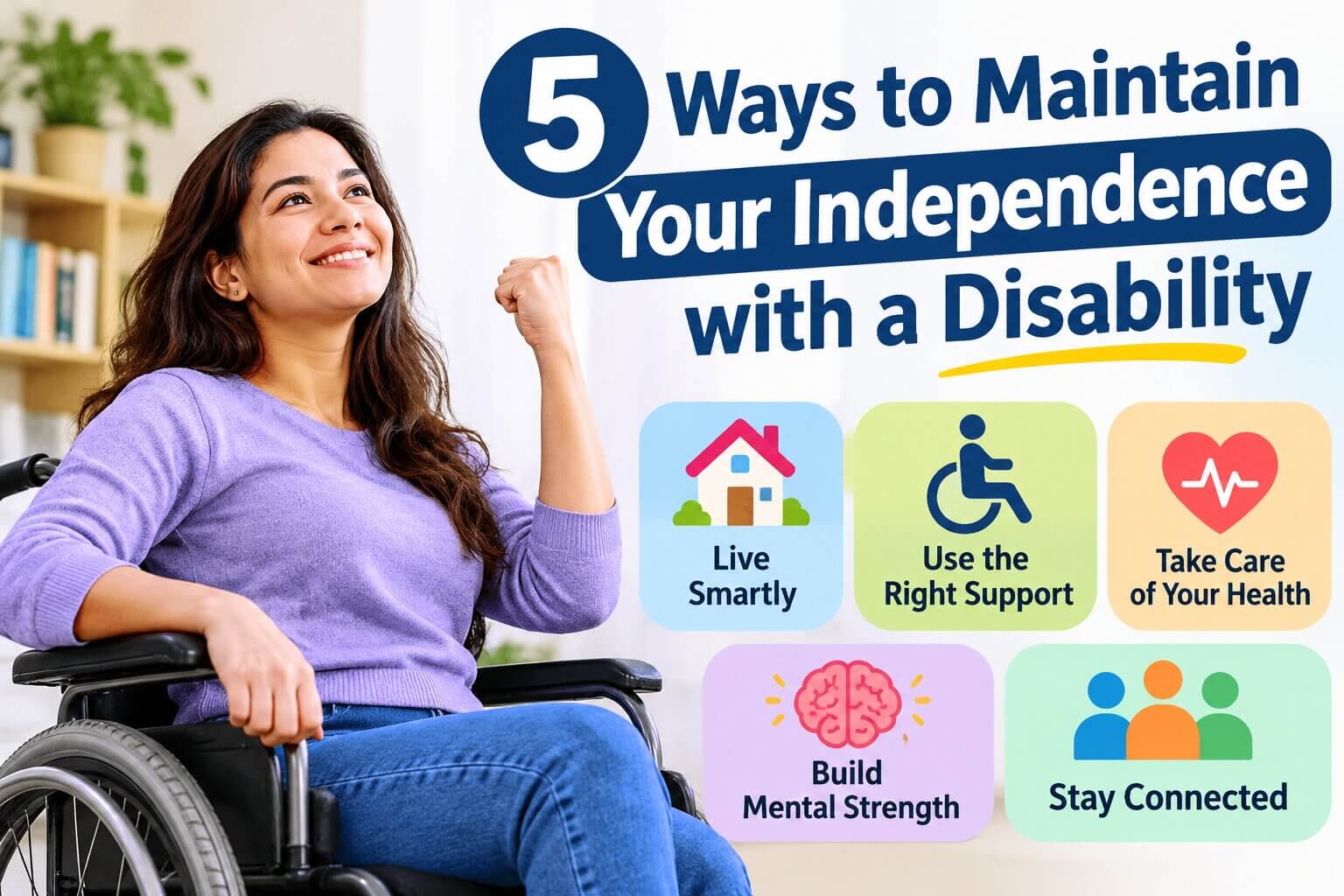
If you want to take greater control of your daily life, here are five ways to maintain your independence with a disability.
- Build a Trusted Team
Embrace help to enjoy a happier, healthier, and more independent lifestyle. Talk to your loved ones, healthcare providers, and caregivers about the tasks you’re happy for them to help with and the jobs you’d rather complete yourself.
This ensures you have a reliable team of loved ones and professionals to turn to when needed, providing you with more energy and focus to complete activities you enjoy.
- Create a More Supportive Living Space
Your home should support your everyday lifestyle, rather than holding you back. If you’re finding it hard to move around the home, bathe, or reach everyday items, you may need to make some changes to your living space.
For instance, a wheelchair lift for home could transform your lifestyle, as you can quickly gain access to your front door or another floor in the property. This will allow you to explore your property more easily.
Place everyday essentials in easy-to-access drawers and cupboards, and rearrange furniture to make it easier to move in every room.
Various supportive aids could also support independent living, such as grab bars and roll-in showers in your bathroom, handrails on your stairs, and lever handles on doors throughout the home.
- Embrace Assistive Technology
Assistive technology can make everyday tasks easier, as it will take some pressure off your shoulders and reduce your reliance on others for help.
Assistive technology options include:
- Smart lights
- Smart locks
- Phone reminders for medication and appointments
- Screen readers
- Adapted kitchen equipment
- Voice assistants
- Dictation tools
These can help you complete various daily tasks with ease.
- Stay Socially Connected
Maintaining strong social connections will not only make you feel happier and healthier, but it’s a great way to boost your confidence and wellbeing.
Staying connected looks different for everyone, and you must find what works best for you, which might mean socializing with friends or connecting with a community.
You could make new friends by joining an online or local disability support group. It’s a great way to connect with others sharing a similar experience, listen to interesting stories, and discover top tips to support independent living.
- Understand Your Rights
Understanding your rights will encourage you to speak up for yourself when necessary to receive the support you need.
The Americans with Disabilities Act is a great place to start, as it strictly prohibits disability discrimination in many areas, including employment, access to public places, and any business open to the public.
Your local Center for Independent Living can also provide peer support and advocacy and can assist with independent living skills. Don’t hesitate to reach out to your state’s disability services or a vocational rehabilitation program to receive help with housing, employment, or mobility equipment.